


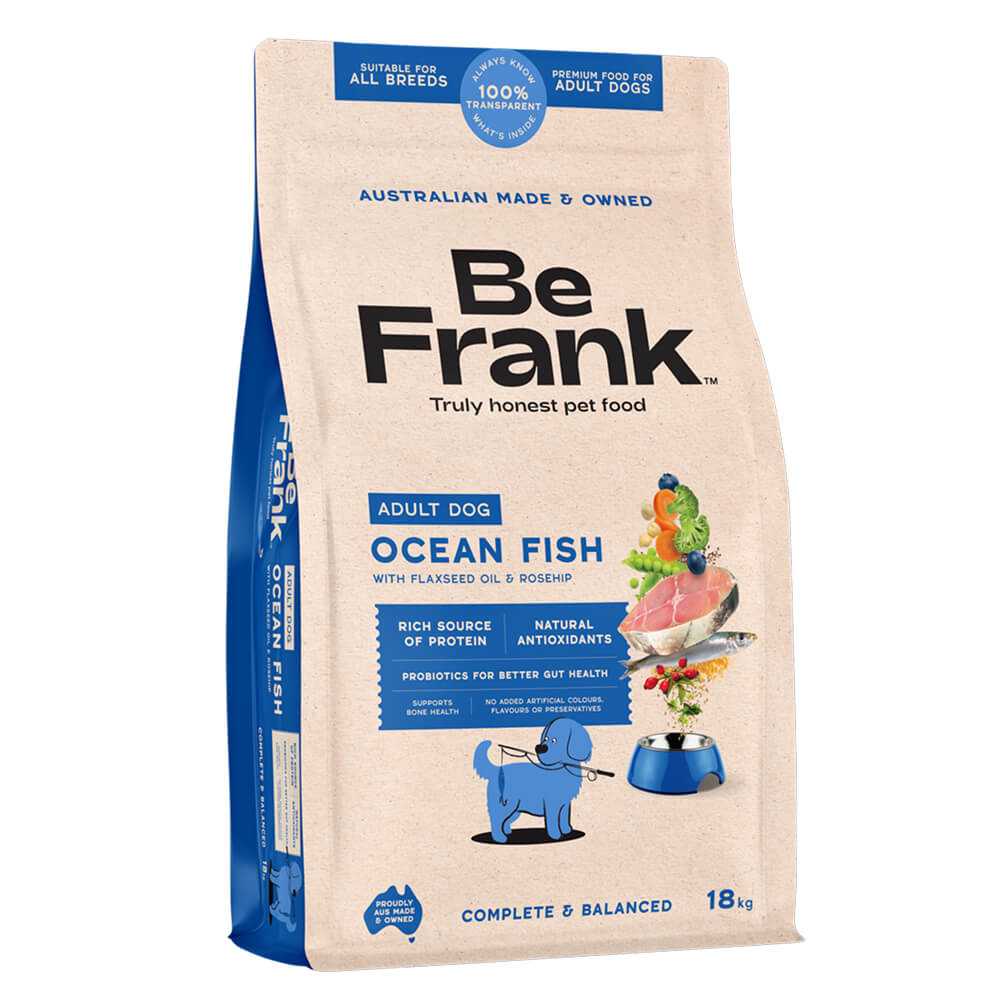
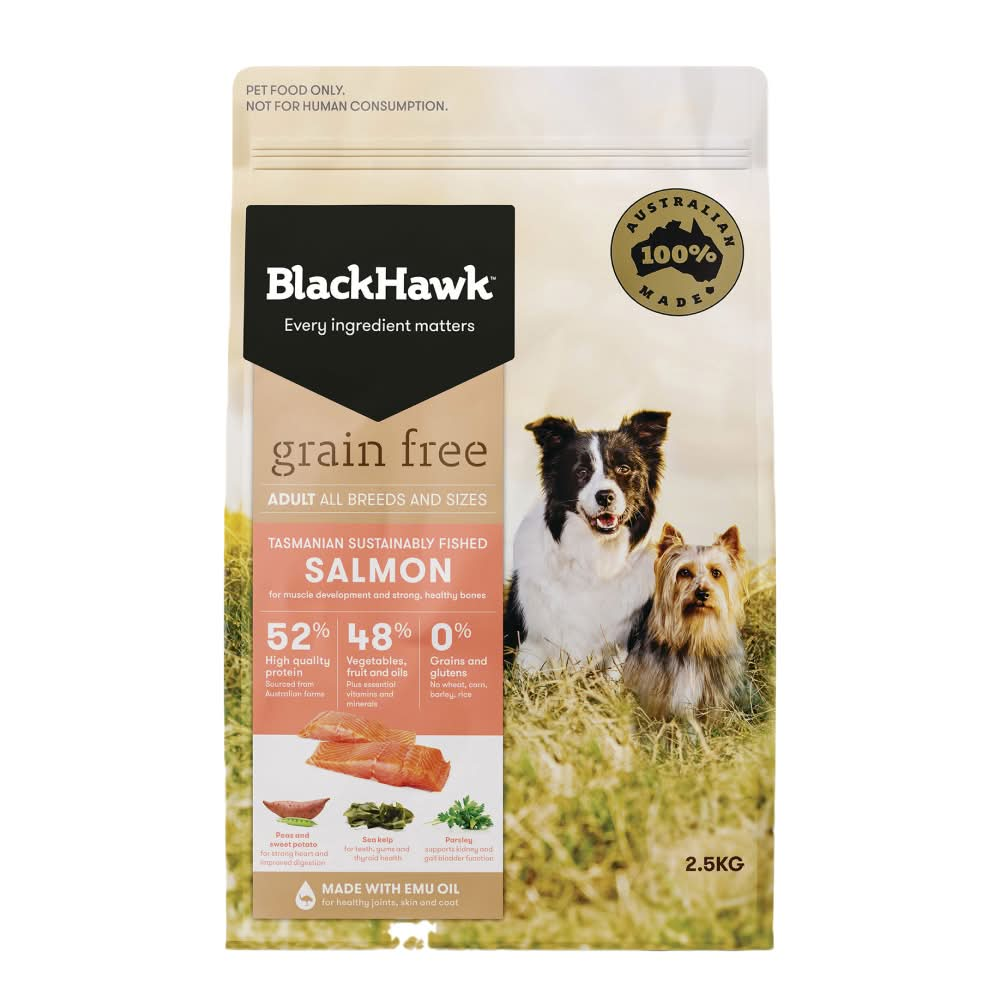

"Human grade" is on every second bag of dog food in Australia. It sounds reassuring — but what it actually means, and whether anyone is checking, is a different story.

In Short:
Human grade dog food means every ingredient was sourced from the human food supply chain and the product was manufactured in a facility certified to produce human-edible food.
In Australia, there is no legally enforced definition of the term — it is a voluntary marketing claim. The distinction that matters is whether the entire product meets human food standards, not just one or two headline ingredients.


What "human grade" actually means
A dog food labelled "human grade" claims that every ingredient in the product was sourced from the human food supply chain and that the food was manufactured in a facility licensed to produce food for human consumption. The idea is straightforward: if every component of the product would be considered safe and legal for a person to eat, the finished product qualifies as human grade.
In the United States, AAFCO formalised this definition in January 2023. Under AAFCO's standard, a pet food can only use the "human grade" label if the entire product — including every vitamin, mineral, and supplement added during manufacturing — meets the requirements of federal human food regulations. If even one ingredient falls outside human food standards, the product does not qualify.
In Australia, the situation is less clear-cut. There is no legally enforced definition of "human grade" in Australian pet food regulation. The Pet Food Industry Association of Australia (PFIAA) defines the term as pet food made from ingredients in the human food supply chain and manufactured in premises certified for producing human-edible food. But this is industry guidance, not law. Any brand making the claim must be able to substantiate it under Australian Consumer Law — but no independent body is auditing or certifying the term.
That gap is worth understanding before you pay a premium based on the label.

Human grade vs feed grade
The distinction between human grade and feed grade comes down to sourcing and processing.
Human grade ingredients come from the same supply chain as the food in your supermarket. The chicken in a human grade dog food was processed in an abattoir licensed for human food production, under the same hygiene and safety standards as the chicken you would buy for your own dinner.
Feed grade (sometimes called "pet grade") ingredients come from a separate supply chain. This includes animal by-products, offcuts, and materials that are safe for animal consumption but are not considered fit for human consumption. Feed grade ingredients are not inherently dangerous — they are regulated and must meet safety standards — but the sourcing, handling, and processing requirements are lower.
The practical difference is transparency. With human grade food, you can trace ingredients back to the human food chain. With feed grade food, the ingredient list might say "meat meal" or "animal derivatives" without specifying exactly what animal or what part. That opacity makes it harder for you to know what your dog is eating.
A product that contains mostly human grade ingredients but includes one feed grade additive — a synthetic vitamin, for example — cannot legitimately be called human grade under AAFCO's standard. The entire product must qualify, not just the hero ingredients.
Why it matters for your dog
"Human grade" is an ingredient quality and transparency claim. It does not automatically mean the food is more nutritious, better formulated, or safer than a well-made feed grade product.
A poorly formulated human grade dog food can still be nutritionally inadequate. A well-formulated feed grade food that meets AAFCO or FEDIAF standards can still provide your dog with complete and balanced nutrition.
Where human grade does matter is in three specific areas:
Ingredient transparency. You know exactly what is in the food because every ingredient comes from a traceable, human-food-standard supply chain. If your dog has allergies or sensitivities, this traceability is valuable — you can identify and eliminate specific proteins with confidence.
Processing standards. Human grade facilities operate under stricter hygiene, temperature control, and handling requirements than feed grade operations. This reduces the risk of contamination during manufacturing.
Accountability. Brands making human grade claims in Australia must substantiate those claims under Australian Consumer Law. If they cannot prove the claim, they face penalties from the ACCC. This creates a layer of accountability that does not exist for vague terms like "premium" or "natural."
If your dog is healthy and thriving on their current food, the "human grade" label alone is not a reason to switch. But if your dog has food sensitivities, a history of digestive issues, or you want full visibility into what they are eating, human grade is a meaningful differentiator.

How to tell if a product is genuinely human grade
The label alone is not enough. Here is how to verify the claim.
Check whether the claim covers the entire product. Some brands use language like "made with human grade chicken" — that only refers to one ingredient. The rest of the product could be feed grade. Look for a statement that applies to the whole product, not just a headline ingredient.
Look at the facility. Genuinely human grade dog food is manufactured in a facility that holds a licence to produce human food. Some brands state this on their packaging or website. If a brand claims human grade but manufactures in a standard pet food facility, the claim does not hold up under AAFCO's definition.
Read the full ingredient list. Every ingredient — including vitamins, minerals, and preservatives — should be sourced from the human food supply chain. If the list includes vague terms like "meat meal," "animal derivatives," or "by-product meal," the product is almost certainly not human grade.
Check for third-party verification. In Australia, PFIAA membership and AS 5812 compliance indicate a brand follows industry standards, though these do not specifically certify human grade claims. Look for brands that openly share their sourcing, facility certifications, and manufacturing processes.
For a comparison of fresh dog food brands in Australia — many of which use human grade ingredients — see our Best Fresh Dog Food in Australia guide. If you are also considering raw feeding, our Best Raw (BARF) Dog Food in Australia guide covers how ingredient sourcing differs in the raw space.
The Australian regulatory gap
Australia does not have a federal body that regulates pet food labelling the way the FDA oversees pet food in the United States. The Australian Standard AS 5812 covers manufacturing, safety, and labelling, but compliance is voluntary for non-PFIAA members.
This means "human grade" in Australia is an unregulated claim. A brand can print it on their packaging without any independent body verifying it. The only legal check is that the claim must be substantiable under the Australian Consumer Law and the Competition and Consumer Act 2010 — meaning if a brand claims human grade and it is not, the ACCC can take action. But this is reactive enforcement, not proactive certification.
For you as a buyer, this means doing your own due diligence. Do not take the label at face value. Look at the brand's transparency, their facility certifications, and whether they can back up the claim with specifics rather than marketing language.

References
- Association of American Feed Control Officials (AAFCO), New Standards for Human Grade Pet Food — Official announcement of AAFCO's human grade pet food standard, published January 2023.
- Pet Food Industry Association of Australia (PFIAA), Help! My Pet Food Claims It's 'Human Grade'. What Does This Mean? — PFIAA's consumer guide explaining human grade claims in the Australian market.
- Pet Food Industry Association of Australia (PFIAA), Pet Food Standards — Overview of Australian Standard AS 5812 and PFIAA's industry compliance framework.
Frequently Asked Questions
Is human grade dog food better than regular dog food?
Human grade refers to ingredient sourcing and manufacturing standards, not nutritional superiority. A human grade food made from traceable, whole ingredients and manufactured in a certified facility offers better transparency than a feed grade product — but a well-formulated feed grade food can still provide complete nutrition. The advantage of human grade is knowing exactly what your dog is eating.
Is there a legal definition of human grade dog food in Australia?
No. Australia does not have a legally enforced definition. The PFIAA provides industry guidance, and brands must substantiate any claims under Australian Consumer Law, but no independent body certifies or audits the term. In the US, AAFCO formalised the definition in 2023, but this standard does not apply in Australia.
What is the difference between human grade and feed grade dog food?
Human grade ingredients come from the human food supply chain and are processed in facilities licensed for human food production. Feed grade ingredients come from a separate supply chain and include materials considered safe for animals but not fit for human consumption. The key difference is traceability and processing standards.
Does human grade dog food cost more?
Yes. Human grade ingredients cost more to source, and manufacturing in human-certified facilities is more expensive than standard pet food production. Expect to pay a premium of 30–60% over comparable feed grade products. Whether that premium is justified depends on your dog's needs and how much ingredient transparency matters to you.
Can raw dog food be human grade?
Under AAFCO's definition, raw meat products are difficult to classify as human grade because uncooked meat is not considered "ready-to-eat" human food. The AAFCO standard requires products to be manufactured in line with regulations for ready-to-eat human food. Most human grade dog foods in Australia are gently cooked for this reason.









Comments
0 comments