


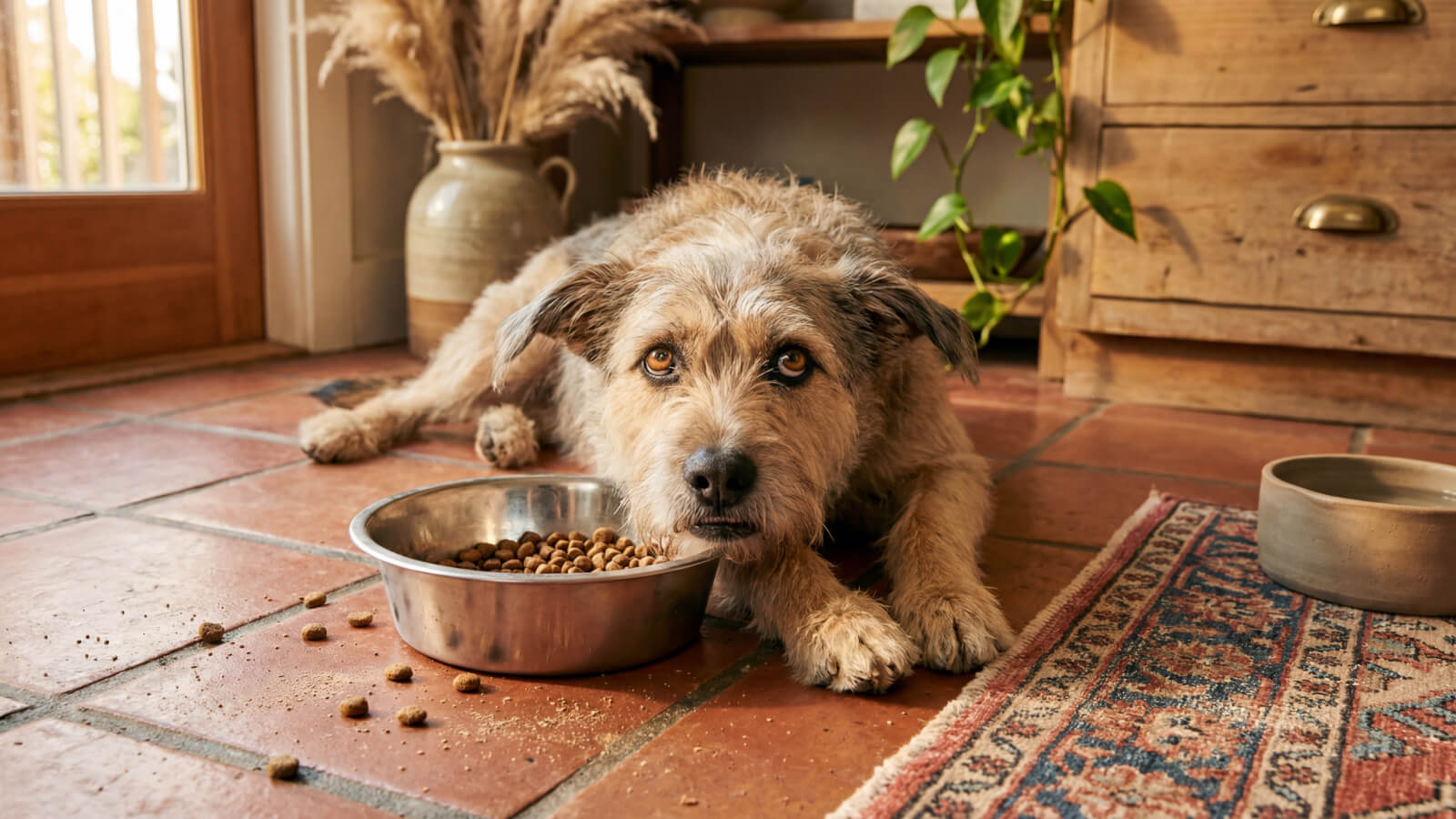
Your dog used to inhale their kibble. Now they stare at it and walk away. Here's what's going on and what you can do about it.
In Short:
The most common causes are dental pain, learned fussy eating habits, stale food, or an underlying health issue. Rule out health problems first — if your dog refuses all food for more than 24 hours, see your vet.
For fussy eaters, put the kibble down for 15 to 20 minutes, then remove it. No treats or alternatives in between. A healthy dog won't starve themselves.

Featured Products:

Rule Out a Health Issue First
Before assuming your dog is just being fussy, consider whether something medical is going on.
Dental problems are a common culprit. Cracked teeth, inflamed gums, or mouth infections can make chewing hard kibble painful. If your dog approaches the bowl eagerly but then pulls away after trying to eat, dental pain is a strong possibility.
Gastrointestinal issues can also kill appetite. Nausea, acid reflux, or an upset stomach might make your dog associate their food with discomfort.
If your dog has stopped eating entirely — not just refusing dry food but turning down all food including treats — see your vet. A complete loss of appetite lasting more than 24 hours in an adult dog warrants professional attention.
The Fussy Eater Problem
Many dogs learn to refuse kibble because they've been trained to. Not on purpose, but through a predictable pattern.
It usually goes like this. The dog skips a meal. The owner gets worried and offers something more exciting — wet food, chicken, table scraps. The dog eats it. The dog learns that holding out gets them better food.
Once this cycle starts, it's hard to break. The dog isn't hungry for kibble because they know something tastier is coming if they wait long enough.
The fix is boring but effective. Put the kibble down for 15 to 20 minutes. If they don't eat, pick it up. Offer it again at the next scheduled mealtime. No treats or alternatives in between. A healthy dog won't starve themselves. Most hold out for a meal or two before accepting the kibble.
Simple Ways to Make Kibble More Appealing
If your dog is genuinely disinterested in their food — and not playing the fussy game — there are a few things worth trying.
Add warm water. Soaking kibble for a few minutes releases more aroma and softens the texture. This can make a big difference, especially for older dogs or breeds with flat faces that find hard kibble difficult to pick up.
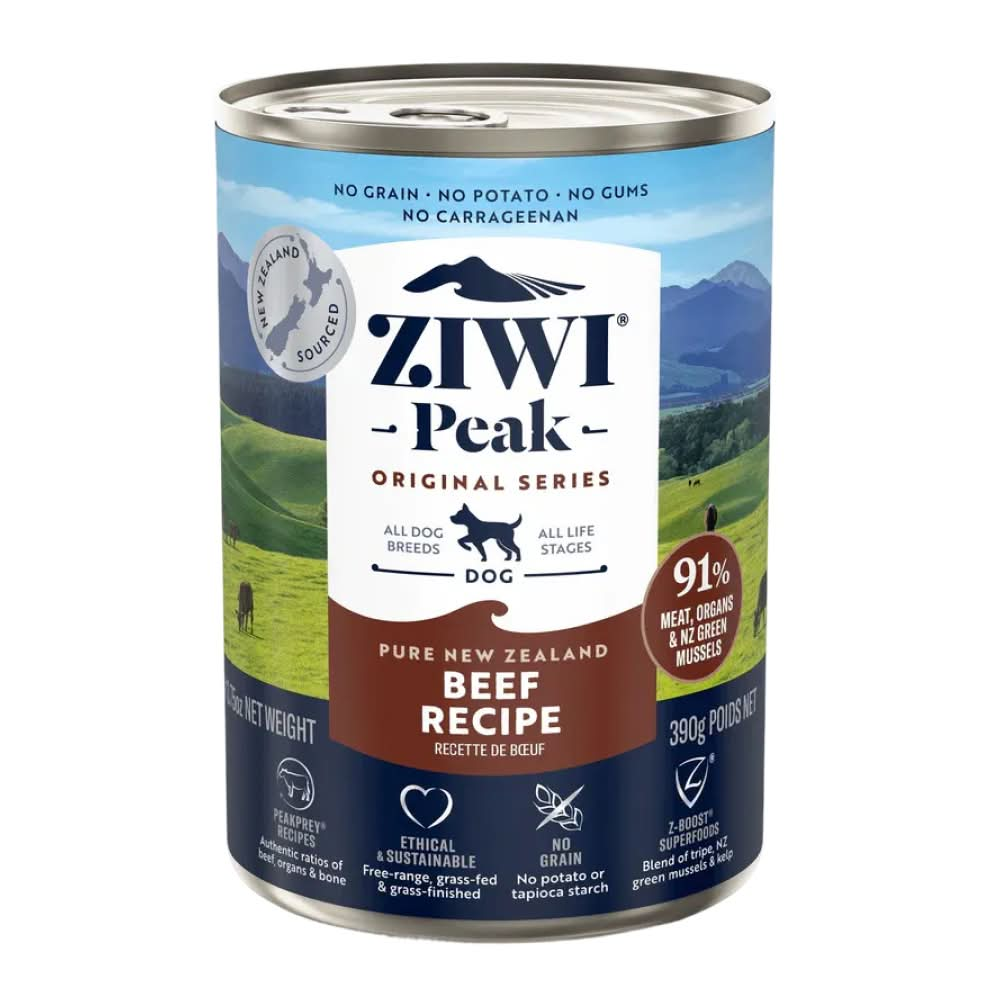
Mix in a small amount of wet food. A tablespoon or two mixed through the kibble adds flavour and moisture. Keep it to no more than 10 percent of the total meal so you're not throwing off the nutritional balance.
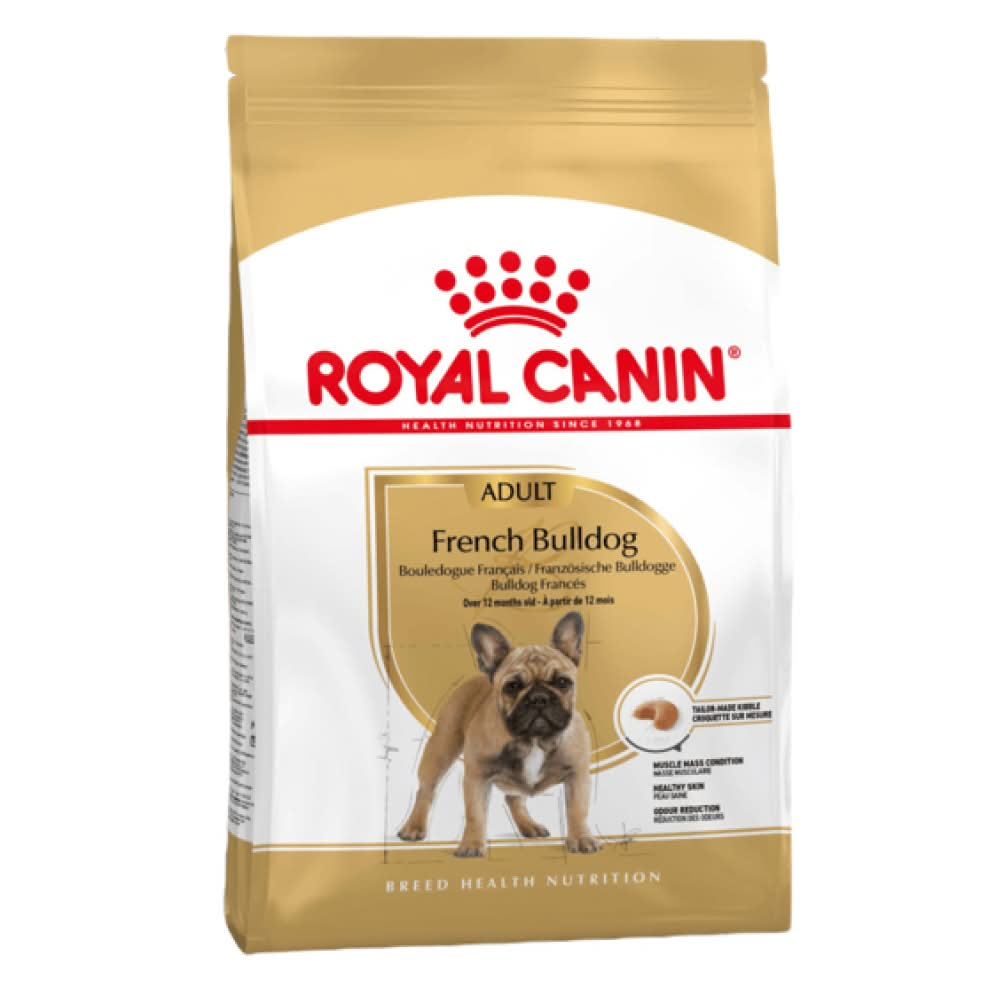
Try a different protein. Dogs can get bored eating the same thing every day. Switching from chicken to lamb or fish within the same brand can reignite interest without requiring a full food transition.
Rotate foods occasionally. Some owners keep two or three compatible kibble brands in rotation. This adds variety and reduces the chance of flavour fatigue.
When the Food Itself Might Be the Problem
Sometimes the issue isn't your dog. It's the kibble.
Stale food loses its appeal. If the bag has been open for more than six weeks, the fats in the kibble may have started to oxidise. The food might smell and taste off to your dog even if it looks fine to you.
Low-quality kibble can be genuinely unpalatable. Cheap formulas often rely on artificial palatants that wear off over time or simply don't taste good. If your dog consistently refuses a specific brand, it might not be worth persisting.
Check the use-by date. Expired food can develop off-flavours and lose nutritional value. If the bag is past its date, replace it.
Frequently Asked Questions
How long can a dog go without eating?
A healthy adult dog can safely go 24 to 48 hours without food, though this isn't ideal. If your dog refuses all food — including treats — for more than 24 hours, contact your vet. Puppies, senior dogs, and dogs with health conditions should be seen sooner.
Should I add water to my dog's kibble?
Yes, this is a simple and effective trick. Warm water releases the food's aroma and softens the texture, making it more appealing. It also adds hydration, which is a bonus for dogs that don't drink enough water on their own.
Is my dog bored of their food?
Possibly. Dogs can develop flavour fatigue from eating the same food every day for months or years. Rotating proteins or brands periodically can help maintain interest. That said, many dogs eat the same food happily for life — it depends on the individual.
Will my dog starve itself if it doesn't like the food?
A healthy dog will not starve itself. If your dog is refusing food out of fussiness (not illness), they will eat when hungry enough. The key is consistency — don't give in and offer alternatives, or you'll reinforce the behaviour.
Should I switch to wet food if my dog won't eat kibble?
Not necessarily. Wet food can be used as a topper to make kibble more appealing, but switching entirely to wet food can be more expensive and less convenient. Try other strategies first — warm water, a protein rotation, or a different brand of dry food.
When should I see a vet about my dog not eating?
See your vet if your dog hasn't eaten anything for more than 24 hours, if they're also vomiting or having diarrhoea, if they seem lethargic or in pain, or if the appetite loss is sudden and out of character. These can be signs of an underlying health issue.



Comments
0 comments